
How Sweden could take the lead in innovation and transformation:
So, in a hardening world, can soft power and communication help close the gap between knowledge and action – and mobilise change where it matters most?

When climate facts aren’t enough, what drives action? Professor Horton tells us how to get there. "Science alone doesn’t move societies. People do.”
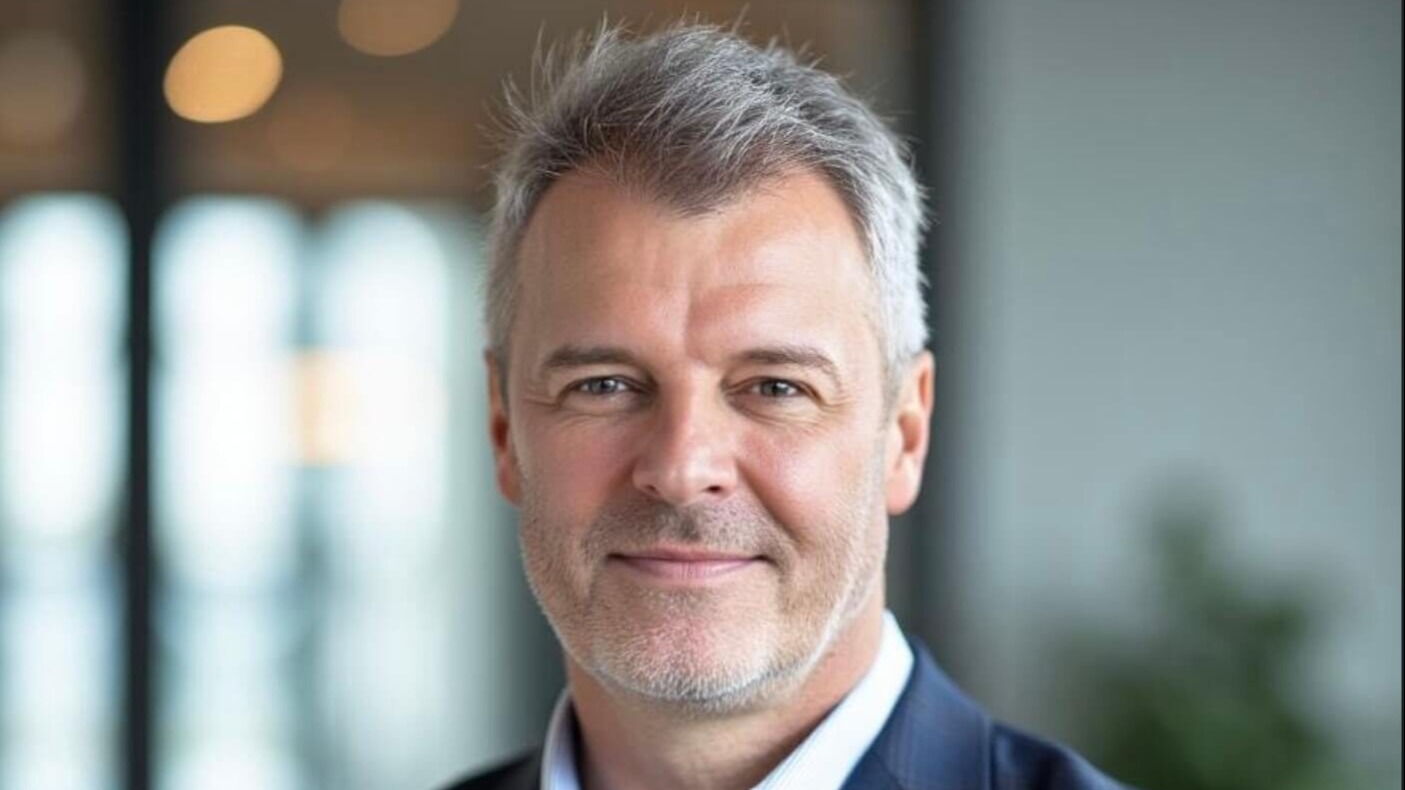
During his visit to Vinnova on May 25, professor Benjamin Horton, a world leading expert on climate change and sea-level rise, delivered a strong keynote on the development of climate change. He also gave a short interview on the question of whether soft power and communication can drive transformation – and turn climate knowledge into action.
Despite five decades of evidence – data, charts, and warnings – climate researchers have not succeeded in convincing decision makers to act at the pace required. In his keynote, Professor Horton expressed deep concern about the rapid progression of climate change.
The world is not moving in the right direction, and the window to bend the upwards curve of carbon oxide emissions is narrowing. Failure will have global, existential consequences. We need to do better – now.
Watch the full keynote lecture by Professor Benjamin Horton further down on this page.
Alongside his scientific work, professor Horton also explores the role of communication as a driver of societal transformation. It is clear that facts and scientific reports alone do not translate into climate action. But why is that?
There are no easy answers. Professor Horton highlights key barriers such as the complexity of science, the psychological distance to threat of climate collapse, and the spread of misinformation. In a world of geopolitical uncertainty, focus is also shifting toward competing priorities.
The role of soft power and communication:
How Sweden could take the lead in innovation and transformation:
So, in a hardening world, can soft power and communication help close the gap between knowledge and action – and mobilise change where it matters most?
– If we think about all the big changes of society they are all driven by community, they don’t commonly come from some top-down instruction”, he reflects and also notes that people want change.
Surveys on climate change commonly show that 70- 90 percent wants a sustainable planet. But also that they don’t know how to get it. This shows that the communication on these big challenges hasn’t worked.
– We need to think about ways of communication that enact change in the youth, the elderly, in the rich, in the poor, in the global north, in the global south – because climate change will impact every single person on this planet. So we need to communicate this. And we need to communicate that yes, climate change is horrible, but the solutions are amazing, and will make the world a better and happier place.
Climate change is horrible, but the solutions are amazing.
Now or never. The pivotal moment for climate and sustainability:
Professor Benjamin Horton is a leading expert on climate change and sea-level rise, and Dean of the School of Energy and Environment at City University of Hong Kong. His research focuses on coastal resilience and how societies can respond to rising seas and a changing climate.
With extensive experience advising governments, international organisations, and industry, he is known for connecting cutting-edge science with practical solutions and policy.
Last updated 12 June 2026