


Page
Building clusters that matter: Lessons from a global cluster expert
To better understand what clusters need to succeed, we spoke with cluster strategist Christian Rangen. Drawing on decades of international experience, he shares lessons on leadership, sustainable business models and how clusters of excellence can create lasting value for companies, regions and society.
Christian Rangen is an international advisor and expert who has worked with innovation and research clusters in over 50 countries. While clusters are an important part of his work, his broader focus is on strengthening European – and particularly Nordic – competitiveness.
“What I try to understand, support and influence is ultimately how our region can compete for the future. Clusters are one tool. Startup ecosystems and venture capital ecosystems are others. The big question I am pursuing is how all parts of a successful ecosystem can work well together”.
Common challenges and success factors
According to Rangen, who has worked with over 500 clusters world-wide, three challenges stand out across countries: adapting to the Quintuple Helix model, building sustainable business models and creating value for a diverse set of stakeholders.
“The shift to the Quintuple Helix, the combination of triple helix, capital and entreprenurship, is a generational change for many clusters. Equally important is building sustainable financial models and creating a value proposition that resonates with a highly diverse group of stakeholders. That is a true art of cluster leadership.”
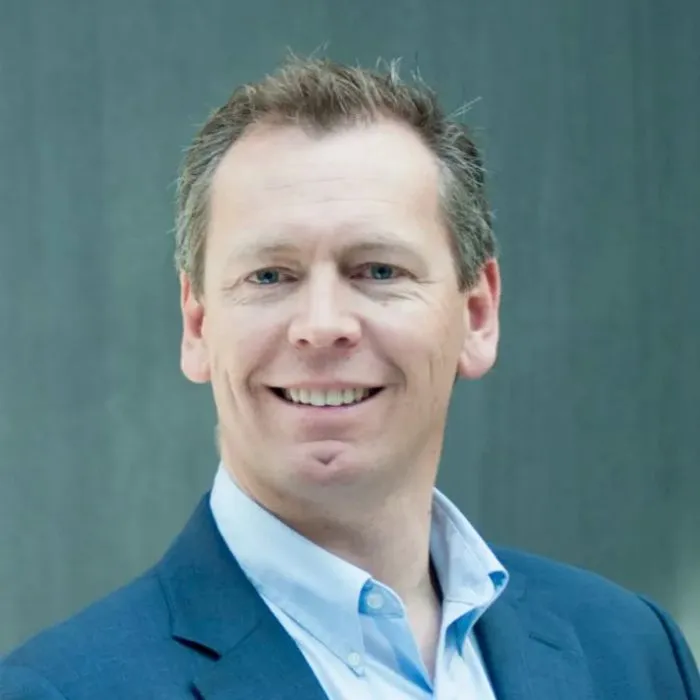
Christian Rangen
Despite these challenges, Rangen also sees clear similarities among clusters around the world.
“Clusters can really make a difference and matter to local, regional and national economic development and competitiveness. Getting a cluster right, and the long-term effects from that can be huge. And also that leadership, ultimately, matters more than we think. I’ve watched and worked closely with great cluster leaders. Great leadership here is hard, really hard. But done right, it can be so powerful.”
Key factors that make clusters successful
There are several key factors that pave the way for success, Christian says, highlighting a clear strategy and a deep understanding of what the cluster is trying to achieve in the short-, medium- and long-term.
“It is also essential to have a clear business model that the board, management and key partners all understand. That includes the financial model, and how capital flows through the cluster – and often how it flows in the ecosystem, but not directly through the clusters’ bank accounts. Over a ten-year period, virtually all clusters will go through three business model iterations, seeing significant shifts in their financial model.”
A successful cluster can engage 300 to 400 people, stretching from working groups, projects, networks, and formal and informal activities, Christian says.
“Organizing this is an art, and great clusters have built a sleek operating system. We call it leadership and governance, maybe even organizational structure, but in reality is should rather be something like “network effect”, “beehive” or “trust flow connections”.
He says that great clusters are ultimately business development engines.
“They have a strong, commercial side to them. They understand the need to create, capture and show value for the members and companies.”
A unique opportunity for Sweden
Following a series of workshops held during spring 2026, Rangen sees strong engagement and growing interest in cluster development across Sweden. The next step, he says, is to transform that enthusiasm into long-term cluster-building capabilities.
“Over the next ten to fifteen years, we have a unique opportunity to build deeper knowledge pools for Sweden and continue producing world-class clusters.”
Based on his interactions with prospective applicants, he also has clear advice for those pursuing Excellence Cluster status.
“Study successful clusters around the world. Dig into their operating models and become a cluster expert. Also recognise that successful cluster development takes longer than most people expect. Fight for early wins, but plan for larger results in the medium to long term.”
His advice is simple: keep building, regardless of the outcome of the Excellence Cluster call.
“The teams that might not get accepted into the Excellence Cluster program, keep building the cluster regardless, but with a different cluster business model. Not being granted in the first call is a bump in the road, but does not have to be the end of the road.”
And in the end, his message returns to the same theme that runs throughout the conversation: the importance of the Quintuple Helix.
“Make sure the cluster truly embraces the Quintuple Helix. It matters for long-term outcomes, and it matters to Sweden.”
Last updated 9 June 2026